
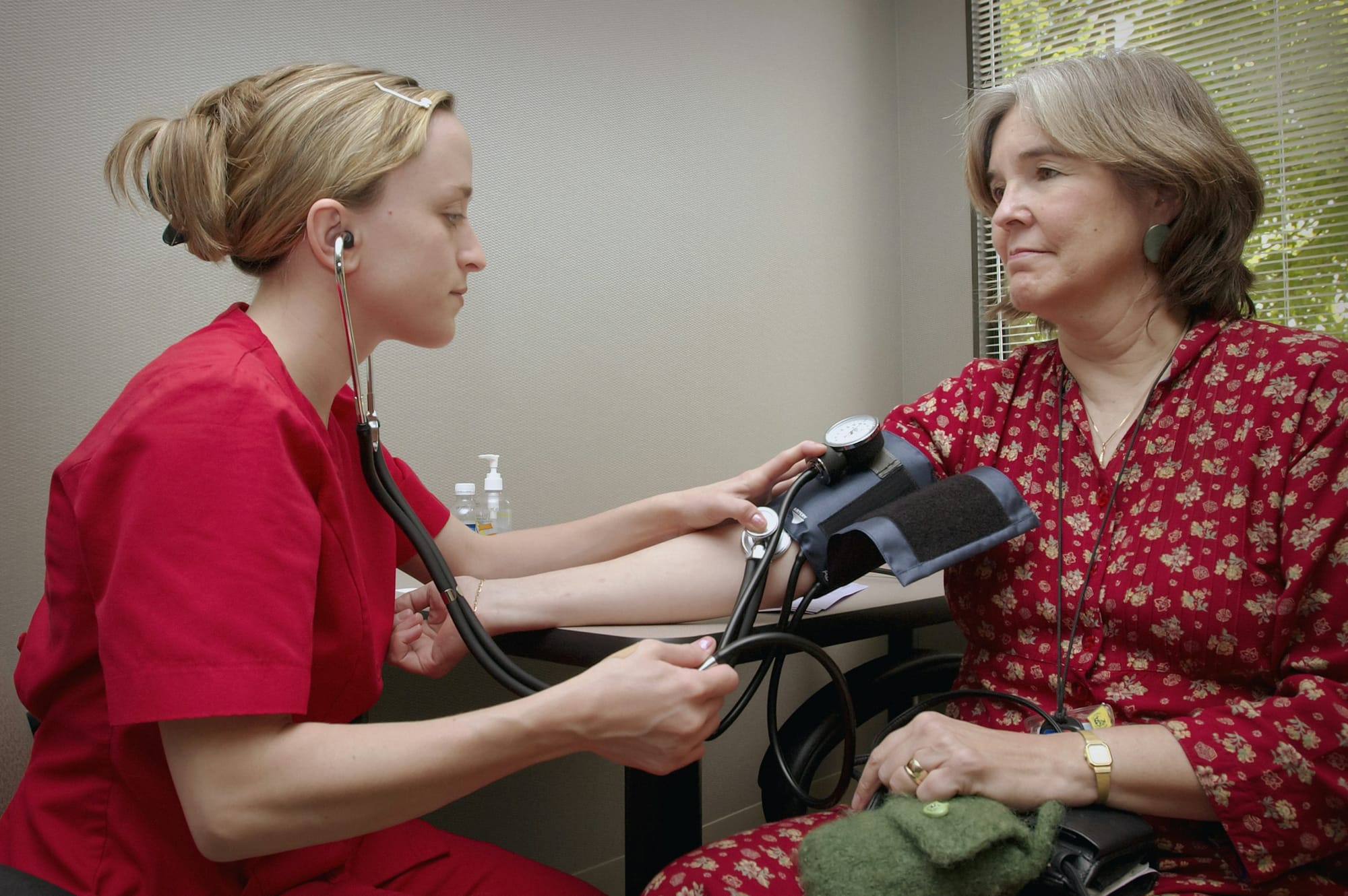
High blood pressure, also known as hypertension, is one of the most common chronic health conditions worldwide. Often called the **"silent killer,"** it usually develops without noticeable symptoms while quietly damaging the heart, brain, kidneys, and blood vessels.
The good news is that high blood pressure can often be prevented or effectively managed through healthy lifestyle choices, regular monitoring, and medical care when necessary.
What Is High Blood Pressure?
Blood pressure measures the force of blood pushing against the walls of your arteries. When this pressure remains consistently higher than normal, it forces the heart to work harder, increasing the risk of serious health problems.
Common risk factors include:
- Family history
- Aging
- Obesity
- High-sodium diet
- Physical inactivity
- Smoking
- Excessive alcohol consumption
- Chronic stress
Understanding these factors can help you take preventive action before complications develop.
Symptoms to Watch For
Most people with hypertension experience **no symptoms**, which is why routine blood pressure checks are so important.
In severe cases, symptoms may include:
- Frequent headaches
- Dizziness
- Blurred vision
- Chest pain
- Shortness of breath
- Nosebleeds
Seek immediate medical attention if you experience severe symptoms.
Healthy Ways to Lower Blood Pressure
Small lifestyle changes can make a significant difference.
Consider these healthy habits:
- Eat more fruits and vegetables.
- Reduce salt intake.
- Exercise for at least 30 minutes most days.
- Maintain a healthy weight.
- Quit smoking.
- Limit alcohol consumption.
- Manage stress through meditation or relaxation techniques.
- Get enough quality sleep.
Consistency is the key to long-term success.
Monitor Your Blood Pressure
Regular monitoring helps identify changes before they become serious.
You can:
- Visit your healthcare provider regularly.
- Use a reliable home blood pressure monitor.
- Keep a record of your readings.
- Follow your treatment plan if medication is prescribed.
Tracking your numbers helps both you and your doctor make informed decisions.
Protect Your Heart for the Future
Managing blood pressure isn't just about lowering numbers—it's about protecting your overall health.
Keeping blood pressure within a healthy range reduces the risk of:
- Heart attack
- Stroke
- Heart failure
- Kidney disease
- Vision problems
Healthy habits today can help you enjoy a healthier future.
Key Takeaways
- High blood pressure often develops without symptoms.
- Regular blood pressure checks are essential.
- Healthy eating and exercise play a major role in prevention.
- Lifestyle changes can significantly reduce cardiovascular risk.
- Follow your healthcare provider's recommendations for long-term heart health.
Medical Disclaimer
This article is for educational purposes only and should not replace professional medical advice, diagnosis, or treatment. Consult a qualified healthcare provider for personalized advice regarding blood pressure management.