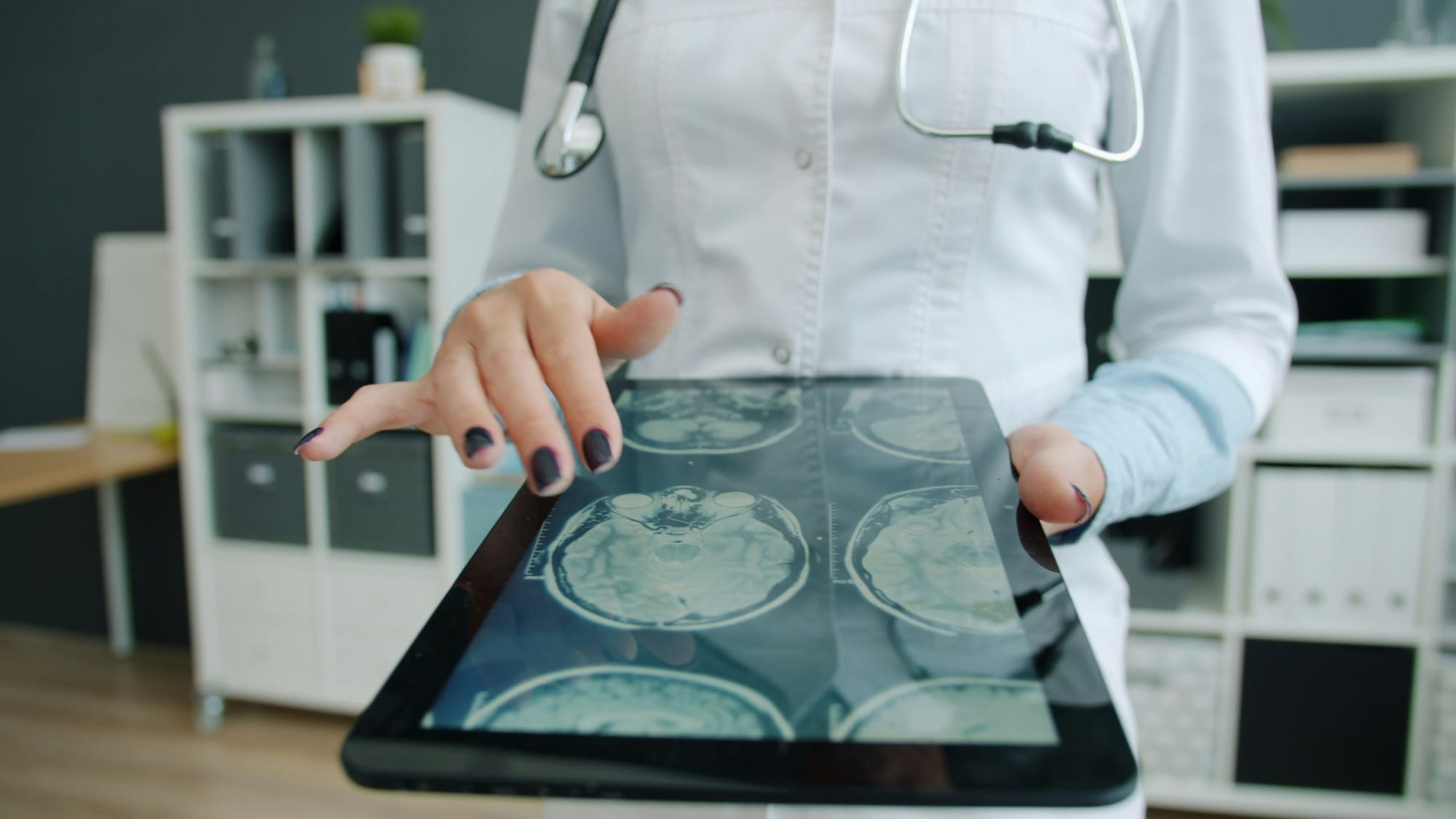

Healthcare has rapidly embraced digital technology, and one of the most significant advancements is **telemedicine**. Virtual healthcare allows patients to consult healthcare professionals remotely using smartphones, tablets, or computers. This approach improves access to quality medical care while saving time and reducing unnecessary travel.
Today, telemedicine has become an essential part of modern healthcare, especially for routine consultations, follow-up appointments, and chronic disease management.
What Is Telemedicine?
Telemedicine uses secure digital communication to connect patients with healthcare providers without requiring an in-person visit.
Virtual care may include:
- Video consultations
- Phone appointments
- Secure messaging
- Online prescription renewals
- Remote health monitoring
These services make healthcare more flexible and accessible for patients of all ages.
Benefits of Virtual Healthcare
Telemedicine offers numerous advantages for both patients and healthcare providers.
Some key benefits include:
- Convenient access from home
- Reduced travel time and expenses
- Faster appointment scheduling
- Improved access to medical specialists
- Better follow-up care
- Reduced exposure to infectious illnesses
It is particularly valuable for people living in rural or underserved communities.
When Telemedicine Works Best
Virtual consultations are ideal for many non-emergency healthcare needs, including:
- Routine follow-up appointments
- Medication reviews
- Minor illnesses
- Mental health counseling
- Chronic disease management
- Nutrition and lifestyle consultations
However, serious injuries, medical emergencies, or conditions requiring physical examinations should always be evaluated in person.
Challenges to Consider
Although telemedicine continues to improve, there are some limitations.
These may include:
- Internet connectivity issues
- Limited physical examination
- Technology learning curve
- Privacy and data security concerns
Healthcare providers continue to improve digital systems to ensure safe, secure, and effective virtual care.
The Future of Telemedicine
As technology advances, telemedicine will become even more integrated into everyday healthcare. Combined with wearable devices, electronic health records, and Artificial Intelligence, virtual healthcare will provide more personalized, efficient, and continuous patient care.
Rather than replacing traditional healthcare, telemedicine complements in-person visits and gives patients greater flexibility in managing their health.
Key Takeaways
- Telemedicine provides convenient access to healthcare from anywhere.
- Virtual consultations save time and improve healthcare accessibility.
- It is ideal for routine appointments and chronic disease management.
- Emergency conditions still require immediate in-person medical care.
- Digital healthcare will continue to play a growing role in the future of medicine.
Medical Disclaimer
This article is for educational purposes only and should not replace professional medical advice, diagnosis, or treatment. Always consult a qualified healthcare professional regarding your medical concerns and determine whether telemedicine is appropriate for your situation.