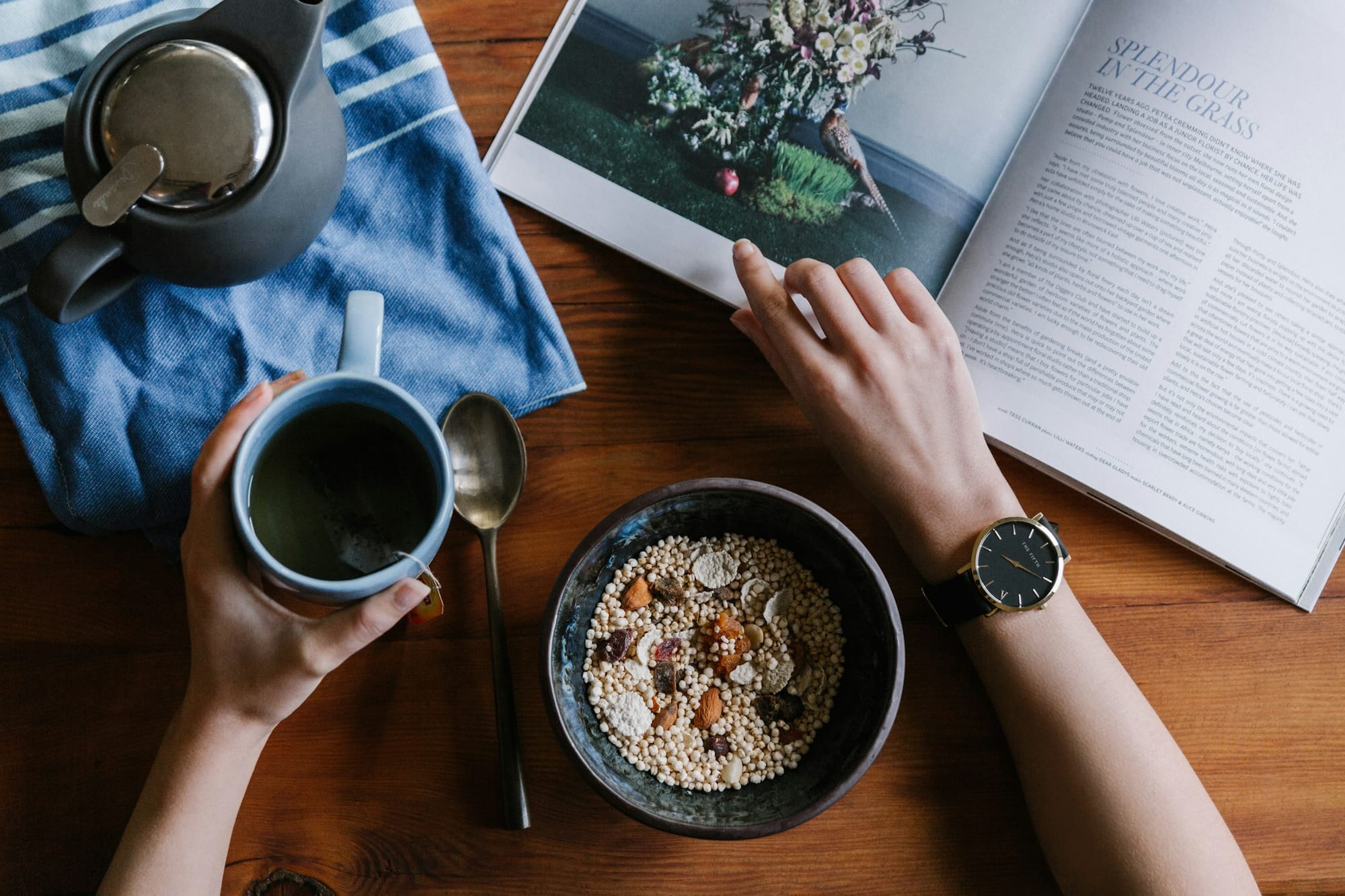

Good nutrition is one of the most important investments you can make in your health. The foods you eat provide your body with the energy and nutrients needed to support growth, repair tissues, strengthen immunity, and reduce the risk of chronic diseases. A balanced diet isn't about strict rules or eliminating your favorite foods—it's about making healthier choices consistently.
Whether your goal is to improve energy, manage weight, or support long-term wellness, balanced nutrition is the foundation of a healthier lifestyle.
What Is a Balanced Diet?
A balanced diet includes a variety of foods from all major food groups in appropriate portions.
Your daily meals should include:
- Fresh fruits
- Vegetables
- Whole grains
- Lean proteins
- Healthy fats
- Low-fat dairy or dairy alternatives
Eating a variety of nutrient-rich foods helps ensure your body receives essential vitamins, minerals, fiber, and antioxidants.
Why Nutrition Matters
Healthy eating benefits nearly every system in the body.
A balanced diet can help:
- Improve energy levels
- Strengthen the immune system
- Support heart health
- Maintain a healthy weight
- Improve digestion
- Enhance brain function
- Reduce the risk of diabetes and high blood pressure
Small improvements in your eating habits can produce meaningful long-term health benefits.
Healthy Eating Tips
Creating healthier meals doesn't have to be complicated.
Try these simple habits:
- Fill half your plate with vegetables.
- Choose whole grains over refined grains.
- Include lean protein with every meal.
- Drink plenty of water throughout the day.
- Limit processed and sugary foods.
- Control portion sizes.
- Prepare meals at home more often.
Consistency is more important than perfection.

Foods to Limit
Some foods should be enjoyed only occasionally because they may increase the risk of chronic disease.
Reduce your intake of:
- Sugary drinks
- Processed snacks
- Fast food
- Foods high in sodium
- Trans fats
- Excess sweets
Replacing these foods with healthier alternatives supports better overall health.
Frequently Asked Questions
No. Healthy carbohydrates such as whole grains, fruits, vegetables, and legumes provide important nutrients and energy.
2. How much water should I drink?
Hydration needs vary, but most adults benefit from drinking enough water throughout the day based on activity level, climate, and overall health.
3. Can healthy eating help prevent disease?
Yes. A nutritious diet is associated with a lower risk of heart disease, obesity, Type 2 diabetes, and several other chronic conditions.
Key Takeaways
- A balanced diet supports overall physical and mental health.
- Eat a variety of whole, nutrient-rich foods every day.
- Limit processed foods, added sugars, and excess sodium.
- Healthy eating habits contribute to disease prevention.
- Small dietary changes can lead to lasting health improvements.
Medical Disclaimer
This article is intended for educational purposes only and should not replace professional medical advice. Consult a qualified healthcare professional or registered dietitian for personalized nutrition guidance.