
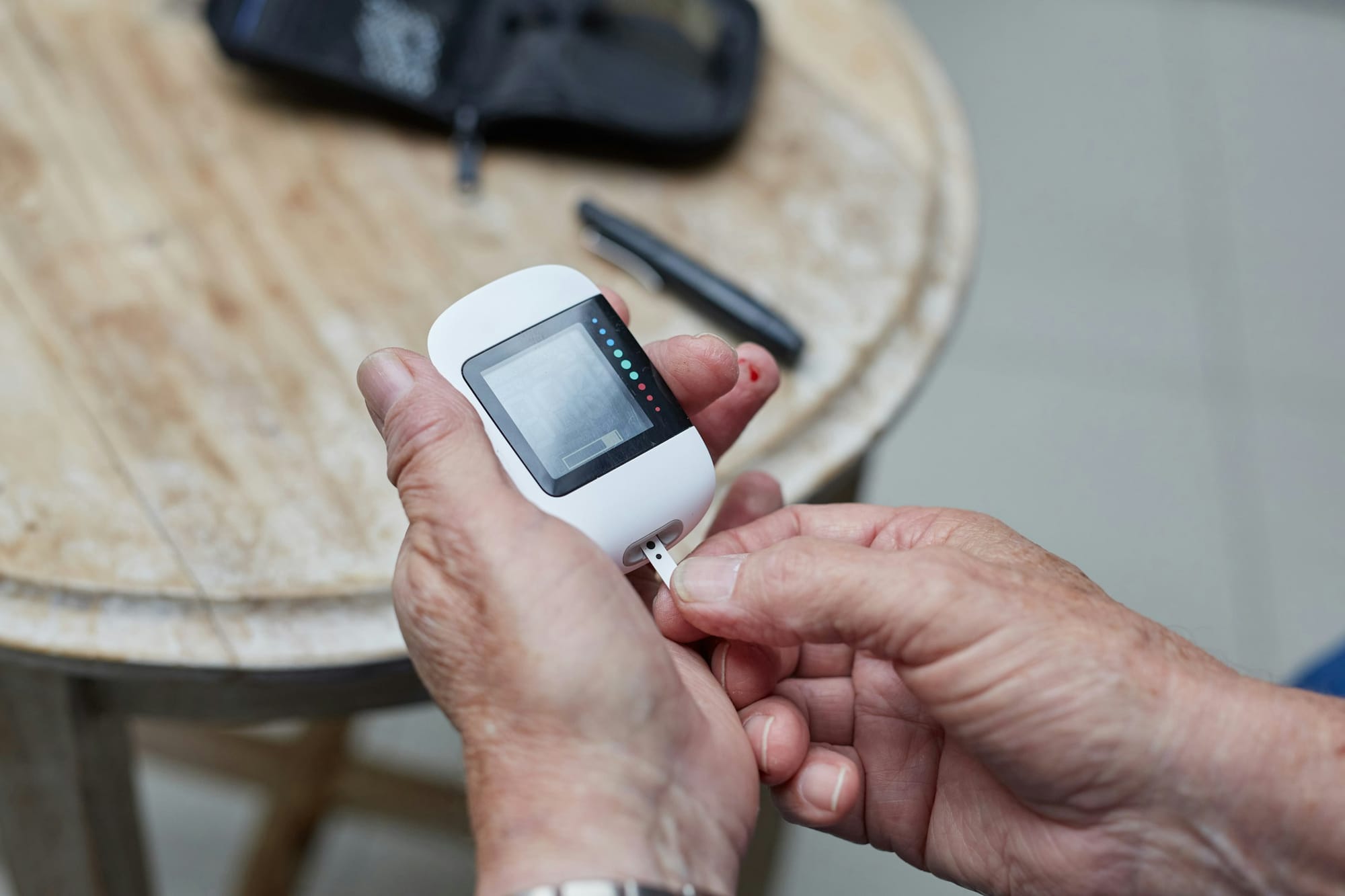
Type 2 diabetes is a chronic condition that affects how the body processes glucose, the primary source of energy for our cells. When the body becomes resistant to insulin or doesn't produce enough of it, blood sugar levels rise. If left untreated, high blood sugar can damage the heart, kidneys, eyes, nerves, and blood vessels.
The good news is that many cases of Type 2 diabetes can be prevented or effectively managed through healthy lifestyle choices, regular medical checkups, and early diagnosis.
What Causes Type 2 Diabetes?
Type 2 diabetes develops gradually and is influenced by several factors, including genetics and lifestyle.
Common causes and risk factors include:
- Being overweight or obese
- Physical inactivity
- Family history of diabetes
- Unhealthy eating habits
- High blood pressure
- High cholesterol
- Increasing age
- Smoking
Although anyone can develop Type 2 diabetes, maintaining a healthy lifestyle can significantly reduce the risk.
Common Symptoms
Many people experience mild symptoms in the early stages, while others may not notice any warning signs at all.
Watch for symptoms such as:
- Increased thirst
- Frequent urination
- Constant hunger
- Fatigue
- Blurred vision
- Slow-healing cuts or wounds
- Frequent infections
- Unexplained weight changes
If these symptoms persist, consult a healthcare professional for evaluation.
Why Early Diagnosis Matters
Early diagnosis allows healthcare providers to control blood sugar before serious complications develop.
Without proper management, diabetes may increase the risk of:
- Heart disease
- Stroke
- Kidney disease
- Vision loss
- Nerve damage
- Foot complications
Routine blood sugar testing can detect prediabetes or diabetes before symptoms become severe.
Managing Type 2 Diabetes
Managing diabetes involves a combination of healthy habits and medical care.
Key strategies include:
- Eating balanced meals rich in whole grains, vegetables, and lean protein
- Exercising for at least 150 minutes per week
- Maintaining a healthy weight
- Monitoring blood sugar as recommended
- Taking prescribed medications consistently
- Managing stress
- Getting enough sleep
Working closely with your healthcare provider can help you create a personalized management plan.
Prevention Tips
Although genetics cannot be changed, many lifestyle factors can.
Reduce your risk by:
- Staying physically active
- Choosing nutrient-rich foods
- Limiting sugary beverages
- Avoiding tobacco products
- Maintaining a healthy weight
- Scheduling regular health screenings
Small, consistent lifestyle improvements often lead to significant long-term health benefits.
Key Takeaways
- Type 2 diabetes develops gradually and may not cause early symptoms.
- Healthy eating and regular exercise play an important role in prevention.
- Routine blood sugar screenings help detect diabetes early.
- Proper management reduces the risk of serious complications.
- Consult your healthcare provider if you experience persistent symptoms.
Medical Disclaimer
This article is intended for educational purposes only and should not replace professional medical advice, diagnosis, or treatment. Always consult a qualified healthcare professional regarding concerns about diabetes or blood sugar management.